The Right Men's Haircut for Your Face Shape
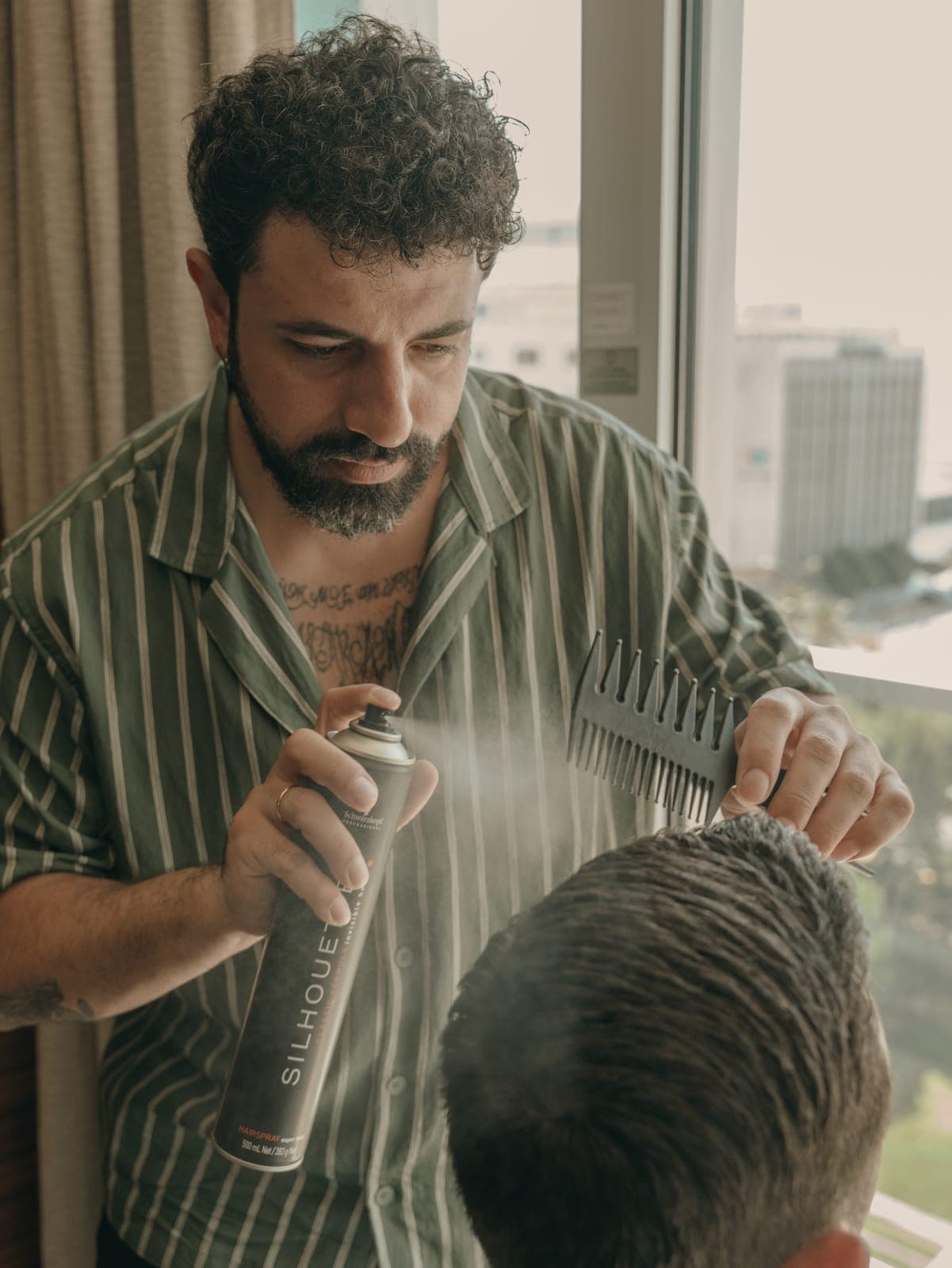
A haircut is the frame around your face. Height on top, fullness at the sides and a fringe over the forehead can make a face look longer, shorter, wider or narrower than it really is. Here's how to choose a men's haircut for your face shape, which styles suit whom, and why face shape on its own isn't the whole story.
Quick answer
Choosing a haircut for your face shape is about balance. Round face: add height on top, keep the sides short. Long face: less height, more fringe, some fullness at the sides. Square face: play up the angles or soften them. Heart and diamond faces: add texture at the forehead and temples. Most cuts suit an oval face.
How do you read your face shape?
Reading your face shape works the same way for hair as for a beard. Push your hair back, look straight into the mirror, and compare the width of your forehead, cheekbones and jaw with the length of your face. Our guide to beard styles for your face shape walks through this step by step; here's the short version.
Oval: a little longer than wide, with soft lines. Round: about as long as it is wide, no real corners. Square: forehead, cheekbones and jaw roughly the same width, with an angular jaw. Long: clearly longer than it is wide. Heart: wide forehead, narrow chin. Diamond: the cheekbones are the widest point.
One difference matters with hair: a beard draws the lower half of the face, while hair shapes the upper half and the frame. Height on top makes a face look longer, fullness at the sides makes it look wider, and a fringe makes it look shorter. Every suggestion below mixes those three levers.
Which haircut suits an oval, round or square face?
Oval: The proportions are already balanced, so a French crop, textured crop, quiff, classic side part and buzz cut all work. Watch the two extremes: a heavy fringe covering the whole forehead makes the face look shorter, and a very tall pompadour makes it look longer. Here your hair type and daily routine matter more than the face itself.
Round: The goal is more length and more angles. Cuts with height on top and short sides do the job: a quiff, a pompadour, a textured crop with a mid or high fade, or a side part with a clear line. A French crop with short sides and a straight fringe can also add structure. Avoid: cuts that puff out above the ears, and longer hair that ends at the widest point of the cheeks; both add width. A buzz cut at one even length can also play up the roundness, since it leaves no height on top.
Square: A strong jaw lets you go either way. To show off the angles, a buzz cut, a short crew cut, a French crop or a sharp fade all work. To soften them, go for a looser cut with some length on top or a classic side part. Avoid cuts that leave the sides boxy and full, so the face reads as wide at the forehead as at the jaw.
Which haircut suits a long, heart or diamond face?
Long: The aim is to make the face look shorter and a little wider. A fringe is the most direct way to do that, so a French crop or a textured crop with a fringe suits a long face well. A low fade or taper that keeps some fullness at the sides, or a side part with moderate height, is also balanced. Avoid: a high skin fade under a tall quiff or pompadour, which stretches the face both ways. Long, straight hair falling toward the shoulders also emphasises length.
Heart: With a wide forehead and a narrow chin, the job is to calm the top half and add weight lower down. A side-swept fringe that partly covers the forehead, medium-length textured styles and a mullet with soft sides restore the balance. Avoid: slicked-back styles that open up the whole forehead, and very short sides with a lot of volume on top. Both make the forehead look wider.
Diamond: The cheekbones are the widest point. Textured fringes, side-swept styles and a deep side part fill out the forehead, and if your hair is longer, medium-length styles tucked behind the ears work too. Avoid: high fades that take the temples very short and leave the cheekbones on their own, pushing the widest part of the face further forward.
Treat these pairings as a starting point, not a rulebook. Most faces fall between two shapes; start from the feature that stands out most.
French crop, mullet, buzz cut: which style suits whom?
You can also ask the question the other way round: if you already have a style in mind, who does it suit? Here are the best-known ones, in brief.
French crop: Short sides (faded or tapered), a textured top and a fringe straight across the forehead. It suits oval, round and square faces, and the fringe makes a long face look shorter. With a strong cowlick at the hairline, the fringe may not fall the way you want.
Textured crop: A looser take on the French crop, with a choppy, broken-up top and a short or uneven fringe. It suits oval and round faces and gives fine hair a fuller look.
Quiff and pompadour: The front is lifted up and back; a pompadour is taller and smoother, a quiff looser. Both suit round and oval faces. On a long face keep the height moderate; on a heart-shaped face they can widen the forehead.
Classic side part: It takes the hardness out of a square face, adds a line to a round one and, with a deep parting, balances the forehead on a diamond face. It also works in a formal workplace.
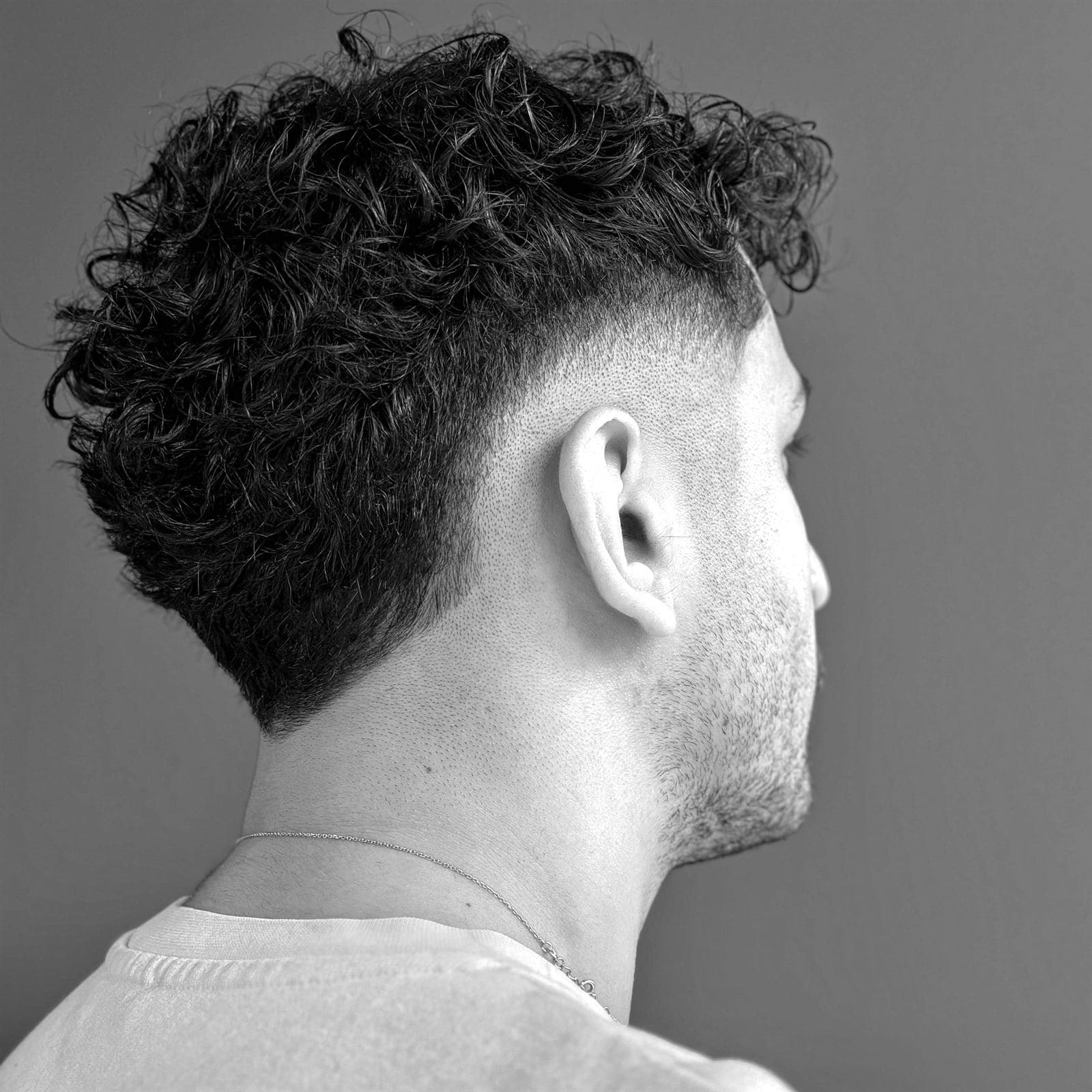
Mullet: Short at the front and sides, long at the back. In a modern mullet the sides blend into the length at the nape with a fade or taper rather than a hard step. It suits oval, square and heart-shaped faces; on a round face the sides can start shorter from higher up, on a long face from lower down. It's unforgiving: if the blend isn't right, it looks messy.
Buzz cut: The same, or nearly the same, short length all over, done with clippers. It suits oval and square faces. Because the hair does nothing to reshape the face, on round and long faces the result depends heavily on your head shape.
Longer styles: Hair past the ears or toward the shoulders softens a square face and adds weight lower down on heart and diamond faces. On a round face it adds width if it ends level with the cheeks; on a long face it adds length if it falls straight.
Why isn't face shape enough on its own?
Face shape is what you see from the front, but a haircut sits all the way around your head. As we explain in our article on anatomical haircuts, most heads have small asymmetries, dips or bony ridges. A short buzz cut or a high skin fade puts them on show; a cut that leaves a little length on top and at the back evens them out. If the back of your head is flat, some volume at the crown tidies up your profile.
Cowlicks, the spots where hair grows in a swirl, also shape the choice. With one at the hairline, a straight French crop fringe may stand up every morning; with a strong one at the crown, cutting that area very short makes it stick up. The answer isn't to fight the cowlick but to cut with the hair's natural direction.
Hair type matters too. Thick, straight hair carries a quiff or pompadour easily, but puffs out if the sides aren't kept short. Fine hair struggles to hold height, so a short, textured crop usually sits better. Curly and wavy hair brings its own volume; on a round face, that volume belongs on top, not at the sides.
In short, the right style is where face shape, head shape, hair type and daily life meet. If you're not fighting your hair in the mirror the next morning, you've found it.
What haircut suits men with thinning hair?
When hair gets finer or the hairline starts to move back, the face-shape advice still applies, with one extra rule: don't widen the gap between thinner and fuller areas. Scalp shows through more between long strands, so shorter, textured cuts generally look more balanced.
A textured crop or a short French crop, worn forward with a broken-up top, makes the density look more even. A crew cut or buzz cut brings the whole head to a similar length and reduces the difference between the temples and the sides. The sides can be short, but on very fine hair taking them too short can make the top look sparser, so a low fade or taper is usually the more balanced choice.
What to avoid: combing long hair over a thin area to cover it, long styles that fall flat, centre partings, and heavy styling that clumps strands together. These usually make thinning more noticeable, not less.
This is purely advice about how a cut looks; a haircut doesn't change whether your hair falls out. If you're losing hair quickly or in patches, see a dermatologist.
How should your haircut work with your beard?
If you wear a beard, your face is read through the single silhouette that hair and beard draw together. The shorter the hair, the more weight the beard carries: a buzz cut with a full beard balances the head at the bottom. As the hair gets longer, the beard has less work to do, and a shorter one may be all you need.
The basic rule is not to stretch the face at both ends at once. On a long face, a tall quiff with a long, pointed beard pulls the face up and down at the same time, so pick one and keep the other in check. On a round face, height on top and a little extra length at the chin work together, because both lengthen the face.
The sideburn, where hair meets beard, shows whether the two were done as one job. With faded or tapered sides, the sideburn should blend into the beard with the same transition. We cover the beard side in our guide to beard styles for your face shape; it's worth a read when you're choosing a haircut.
How do we cut hair at Patron?
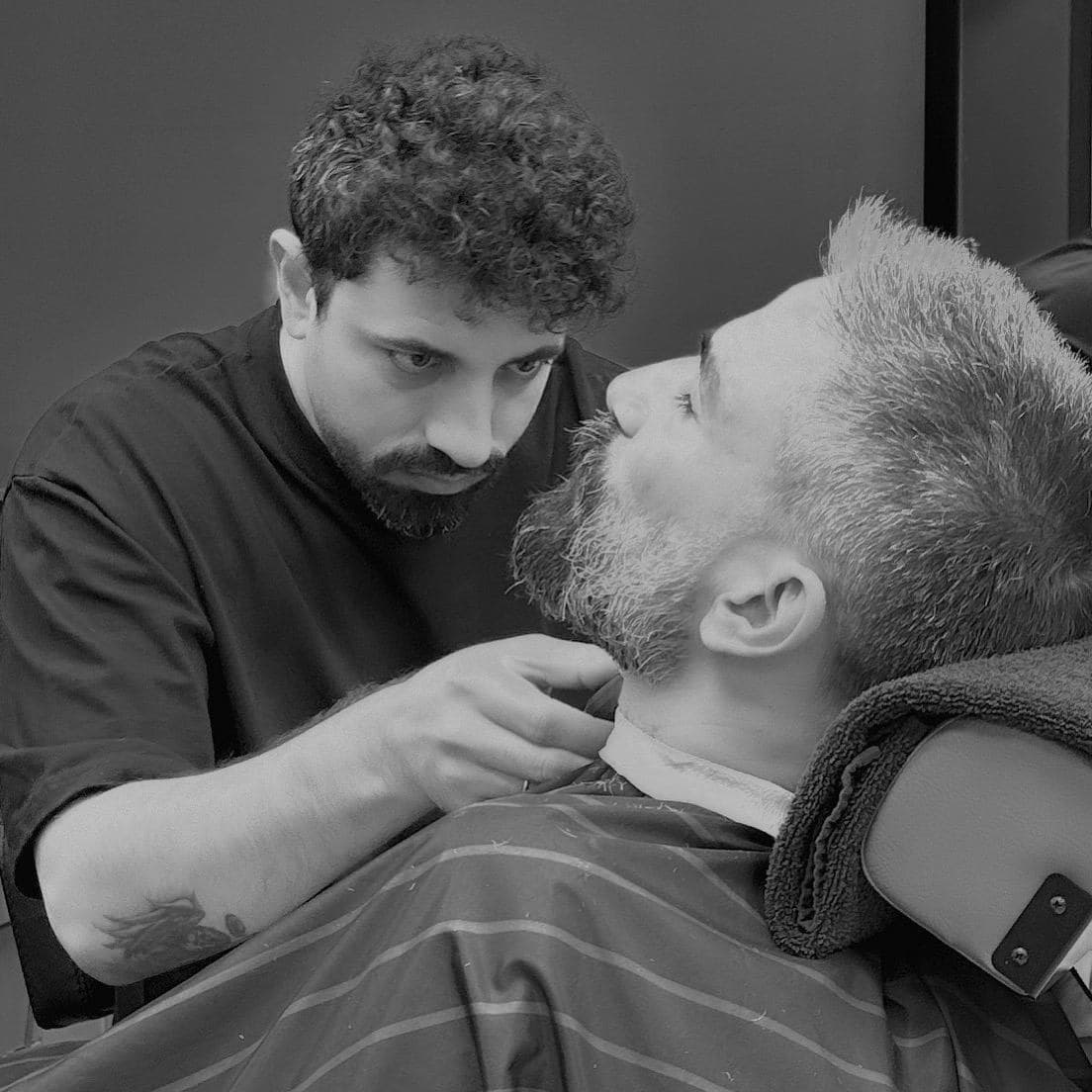
At our single shop inside the Folkart Time complex in Bornova, the name of our haircut service says it: anatomical hair design tailored to your features. Every cut starts with a face analysis and a reading of your hair texture, and we talk through which style will suit you and why, or why not, before the scissors come out. Fades, French crops, mullets, tapers and buzz cuts are all part of the service.
A haircut is 1,100 TL; hair and beard together in one appointment is 1,600 TL. If you'd like a bespoke cut with personal face analysis by our founder, Ferdi Bakır, it's 1,500 TL.
We work by appointment only. Message us on WhatsApp or pick a time through the three-step booking wizard on the site. If there's a style you like, bring a photo and we'll talk through how it will sit on your face and your hair.
Frequently Asked
How do I choose a men's haircut for my face shape?
First work out your face shape by comparing the width of your forehead, cheekbones and jaw with the length of your face. Then choose height on top for a round face, a fringe and some side fullness for a long face, and a cut that either sharpens or softens the angles for a square face, keeping your head shape and hair type in mind.
Who suits a French crop?
A French crop suits oval, round and square faces, and because the fringe shortens the face, it works on long faces too. If you have a strong cowlick at the hairline, the fringe may not fall the way you want, so talk it through before the cut.
Who suits a mullet?
A mullet suits oval, square and heart-shaped faces most easily. On a round face the sides can be taken shorter from higher up, and on a long face from lower down; either way, the blend between the sides and the nape has to be clean.
Who suits a buzz cut?
A buzz cut suits oval and square faces. Because the hair doesn't help reshape the face, on round and long faces the result depends heavily on your head shape; if there are noticeable dips or ridges, leaving it a little longer looks more balanced.
What haircut suits men with thinning hair?
Short, textured cuts generally work best: a textured crop, a short French crop, a crew cut or a buzz cut. Combing longer hair over a thin area usually makes thinning more noticeable; for the hair loss itself, see a dermatologist.
Related services
Reading's over — chair awaits
This piece opened a door to a ritual; step in to try it.